Scaling Multi-Level Backlink Architecture in 2026
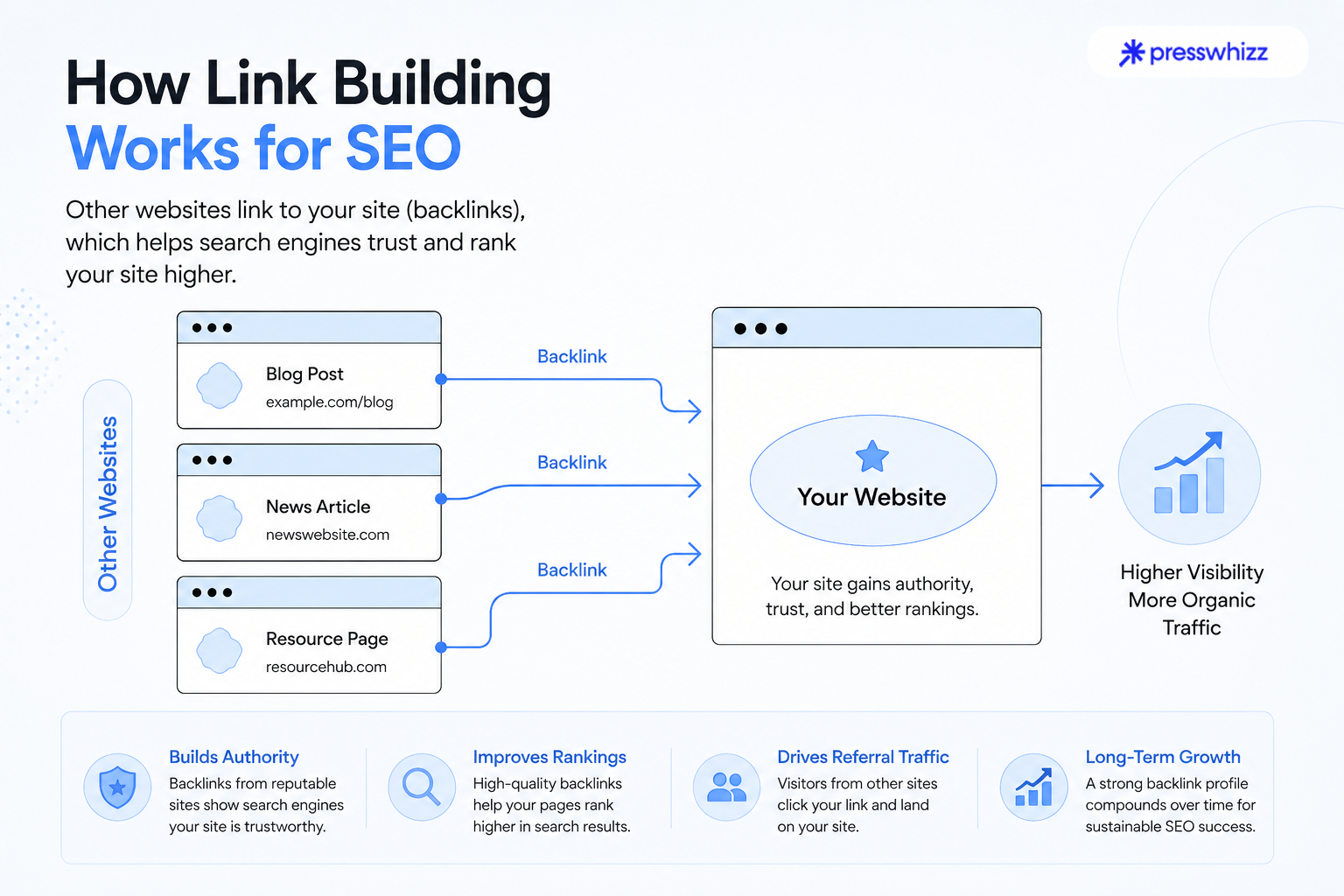
Link equity is the ranking worth that flows from one web page to another through links. Likewise called "link juice," it explains why backlinks move rankings - and why not all backlinks carry the same weight. A link from a high-authority, topically relevant page passes more equity than a link from a low-quality or off-topic website.
This guide breaks down how link equity works, what controls how much value a link transfers, and how to audit and increase it across your site. We construct links for a living at Rhino Rank, so this topic sits at the center of what we do.
Connect equity is the authority, trust, and ranking power that passes from one page to another through a link. When Page A connects to Page B, a portion of Page A's accumulated value transfers to Page B. Online search engine deal with that as a vote of confidence - a signal that Page B deserves visibility.
How to Organize Effective Advanced Link Schemes
It appeared as SEO shorthand in the early 2000s and stuck due to the fact that it describes the concept well: authority streams through links like liquid through pipelines. "Connect equity" is the cleaner term, and the one most SEO teams use nowsame mechanic. That mechanic traces back to Google's initial PageRank algorithm, released by Larry Page and Sergey Brin in 1998.
A page with more links from high-scoring pages scored greater. That rating influenced where the page appeared in search results page. PageRank as a public metric is long gone - Google retired the toolbar rating in 2016. The concept remained. Google still checks out links as signals of trust, significance, and authority.
That value shaping rankings is why link building decisions can't be made on surface area metrics alone. A link buried in a footer carries less weight than one placed in the body copy where users and crawlers engage with it.
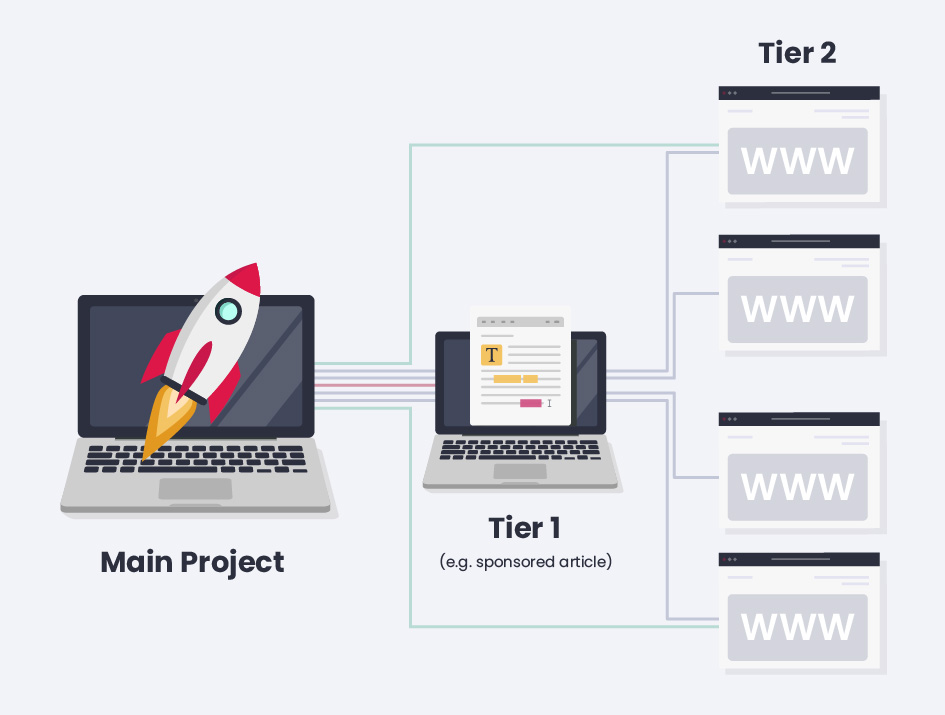
Every "quality" factor returns to one thing: just how much equity the link transfers. In concept, the flow is basic. When one page links to another, it passes a part of its own authority to the connected page. More authority on the source page suggests more equity offered to pass.
Securing Global Search Authority Safely
A page doesn't hand out the exact same amount to every target without limits - it divides what it can pass across its outbound links. If Page A has one outbound link, the majority of its shareable equity can go to that single target. If Page A has 200 outbound links, every one gets a smaller slice.
And it's why a link from a resource page listing 300 sites delivers less per-link value than a link from a focused short article with 5 or six outbound links. Dilution changes how you must price and prioritize chances. A guest post with three contextual outbound links passes more equity per link than a directory listing with hundreds.
These are 2 different equity streams, and they do different jobs. If a market blog links to your guide, you get a share of that site's earned trust and authority.
GSA SER project guidesmove the equity your website currently has. The homepage generally brings in the most external backlinks, so it holds the most equity. Links from the homepage to classification pages, and from classification pages to individual posts, push that equity through your site structure. We manage these links totally, which is why internal connecting stays among the most overlooked SEO levers.
Scaling Tiered Link Architecture in 2026
External links bring equity in. Strong backlinks with weak internal linking still wastes a lot of the worth those links bring.
tell online search engine not to follow a link and not to pass equity through it. Add rel="nofollow" and you close the pipe. Google likewise introduced rel="sponsored" and rel="ugc" in 2019 as more particular alternatives, and it treats all 3 as "hints" instead of strict directives - but in practice, these links pass little or no equity.
If Googlebot can't crawl a page, it can't evaluate the links on that page or pass equity through them. That develops equity dead zones that stay undetectable until rankings stall. sit outside your internal link graph. No internal links indicate them, so equity from your more powerful pages never reaches them.